
Depression Therapy in Los Angeles, CA
You feel empty and hopeless, like a huge void is pulling you down. Nothing seems to work or make you feel better, no matter how hard you try. In fact, you may have even stopped trying altogether, often wondering what’s the point. Depression is a dark road, but we’re here to help you navigate it through depression therapy in Los Angeles, CA.

We understand how depression can make you feel defeated and overwhelmed. Perhaps you’ve been doing your best just to get through each day, but even getting out of bed can feel like a challenge.
It may feel like there is no light ahead, but we want you to know that it is possible to overcome depression and live a more fulfilling life. Our goal is to treat the whole of you—helping you explore the underlying causes of your challenges and supporting your healing through depression treatment in Los Angeles.
Common Challenges Depression Treatment Can Help With

People experiencing depression report a variety of symptoms—all of which a depression therapist can help address. These include:
Loss of interest in activities you once enjoyed
Sleeping much more or much less than usual
Persistent feelings of sadness, despair, or emptiness
Decreased energy
Difficulty concentrating or completing tasks
Appetite or weight changes
Thoughts of death or suicide*
Body aches, headaches, or digestive problems
Feelings of guilt or worthlessness.
*If you are currently having thoughts of suicide, please call 911 or the National Suicide Prevention Hotline at 1-800-273-8255.
Start Depression Therapy in Los Angeles, CA—Begin Your Healing Journey Today
It is possible to find fulfillment, balance, and personal growth—don’t delay the healing process! Taking the first step can feel scary, but we’ll be by your side through the entire journey.
How Depression Treatment Can Help You

Through depression therapy in Los Angeles, CA, we offer a compassionate and nonjudgmental space where we treat you holistically. We’ll work with you to explore the root causes of your challenges and help you build on what works, while letting go of what no longer serves you.
Your depression therapist will encourage you to be open, vulnerable, and honest. Lasting healing happens when we bring both conscious and unconscious beliefs, thoughts, and emotions to light.
Some outcomes you can expect from depression treatment include:
Defining realistic goals for the future
Recognizing and changing negative or distorted thinking patterns
Identifying life experiences that contribute to depression and learning how to process or accept them
Developing strategies to reduce symptoms and prevent future depressive episodes.
Together, we’ll work toward a deeper understanding of yourself so you can move forward in the therapeutic process—and ultimately, heal with strength and authenticity.
Holistic Depression Therapy in Los Angeles, CA
We take a holistic approach to treatment, honoring you as a whole person—mind, body, and spirit. Our therapists draw from multiple therapeutic modalities to guide their work, tailoring each session to your individual needs, goals, and emotional experiences.
We are informed and thoughtful about the following approaches and incorporate aspects of them to enrich and support your therapeutic experience:
Eye Movement Desensitization and Reprocessing (EMDR)
EMDR can help you understand how unresolved past experiences contribute to depression and assist in reprocessing those memories. Over time, you’ll notice reduced symptoms, improved mood and energy, and greater self-awareness.
Psychodynamic Therapy
Psychodynamic therapy focuses on internal challenges related to repression, shame, and adverse childhood experiences. Through this approach, we explore the root causes of your depression while working on self-esteem and emotional regulation.
Internal Family Systems (IFS)
IFS views the mind as made up of different “parts” that form a system. Depression is a distressing experience that comes from one or more of these parts. This approach helps foster understanding and healing by working with all parts of the self.
Somatic Therapy
Depression can drain physical energy and create disconnection from the body. Somatic therapy helps you recognize this disconnection and develop ways to manage intense emotions while reconnecting with your body.
Art Therapy
Art therapy helps regulate emotions, improve communication and relationships, build resilience, overcome trauma, and more through creative expression. Its flexibility makes it an inclusive, safe, and supportive space for all individuals.
Get Started With Depression Therapy in Los Angeles, CA
If you’re ready to start healing, we’re here to help! We truly care about you, and our goal is to support you in becoming whole and happy again.
Option 1:
Book a free consultation
Start with a 15-minute call with our Care Coordinator, where you can share your questions and help us understand what you’re looking for.
Option 2:
Fill out our form
Complete our online intake form, and we’ll help you find the therapist who’s the best fit to support your unique needs and goals.
Meet Our Depression Therapists
Get to know our holistic team and how a depression therapist can help you with strength and compassion.

Natalie Beltran
Natalie helps you explore what's happening beneath the surface and create meaningful change that goes beyond the therapy room.

Isabel Kindberg
Isabel uses principles of trauma-informed care and harm reduction to work towards healing with authenticity, humor, and directness.

Sarah Callender
Sarah uses creativity, honesty, curiosity, and humor to create a safe environment in which to share, explore, and find healing.

Jenny Chandler
Jenny takes a warm, collaborative approach rooted in somatic psychotherapy, attachment theory, and a strengths-based lens.

Tatiana Kovalsky
Tatiana supports healing on all levels — mind, body, heart, and spirit — helping each person step into a more empowered, embodied self.

Will DeSmit
Will creates a compassionate, non-judgmental space where parts and experiences that have been hidden can be safely explored.
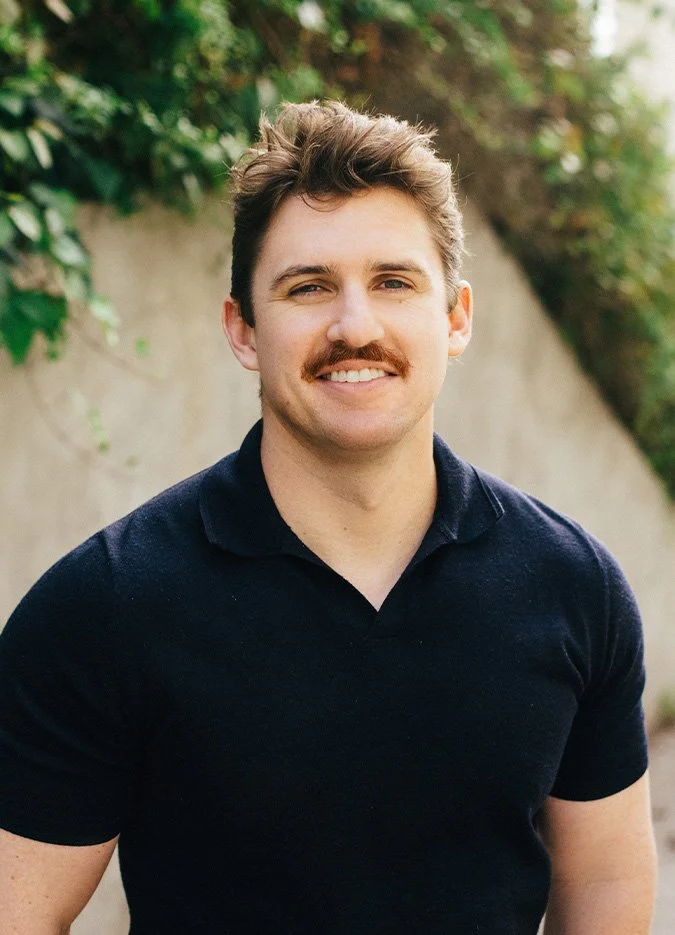
Wade Mollison
Wade has a compassionate, collaborative, and emotionally attuned style—with a touch of irreverence—that honors each person's full self.
Depression Treatment FAQs
-
The different types of depression include:
Major depression: Where symptoms last at least two weeks.
Persistent depressive disorder: Symptoms are often milder, but individuals experience them for two years or longer.
Postpartum depression: Occurs after birth, and it can include overwhelm and mood swings.
Seasonal affective disorder (SAD): Typically occurs during the winter months, as darker weather triggers SAD.
People experience and describe depression in different ways, but if any of this resonates with you, consider reaching out to a mental health professional.
-
Common signs of depression include:
Persistent sadness or emptiness
Tearfulness
Hopelessness
Irritability or frustration
Loss of interest in activities
Changes in sleep (e.g., insomnia or oversleeping).
-
There is no single cause of depression. It can result from a combination of genetic, biological, and environmental factors. Some people experience depression after a single stressful event, while others develop it over time.
Common causes of depression include:
-
You can support someone with depression by:
Learning about depression and its symptoms
Recognizing signs of worsening symptoms or suicide risk*
Encouraging treatment and helping with appointments or medication reminders
Practicing active, nonjudgmental listening
Offering encouragement and positive reinforcement, reminding them about their qualities, their progress—no matter how small—and what they mean to you
Making plans together and offering practical help
Supporting healthy habits (e.g., eating nutritious meals, getting enough sleep, practicing regular exercise).
*If you notice a risk of self-harm or suicide, please call 911 or the National Suicide Prevention Hotline at 1-800-273-8255.
-
Choosing a depression therapist is an important step. Consider asking yourself:
“Did we get along?” You should bond naturally and enjoy their company.
“Did I feel understood?”
“Did I feel safe?” Therapy is vulnerable, so you should be able to truly trust your therapist.
“Do they specialize in what I’m going through?” Experience in helping people like you could be a plus.
Work With a Depression Therapist in Los Angeles, CA
We take your well-being to heart. We want nothing more than to see you become whole and happy again. Contact us if you’re ready to take this step together!
Other Services We Offer at Highland Park Holistic Psychotherapy
Our team of caring therapists offers a variety of mental health services to support you and your family. We provide both online therapy and in-person sessions in Los Angeles, CA, and across the state. We also offer affirming care for LGBTQ+ individuals and LGBTQ+ couples.
Start your therapy journey alongside a trained depression therapist. Or, learn more about our other services, including anxiety treatment, EMDR therapy, trauma therapy, grief counseling, eating disorders, teen therapy, and more.
If you have any further questions, visit our FAQs page or contact us directly.